By Aaron Kirman
Beverly Hills luxury began with grand residences designed for prestige and permanence, especially in the Flats and the estate corridors that connect to Holmby Hills and Bel Air. Over decades, the definition of “best” shifted as land scarcity tightened, design standards rose, and privacy expectations intensified in areas like Trousdale Estates and the Bird Streets edge near Doheny.
Today, the market rewards properties that feel like private resorts with institutional-grade build quality, layered security, and amenities that operate as their own ecosystems.
Key Takeaways
- Land scarcity: Larger parcels became rarer and more valuable than improvements
- Privacy standards: Setbacks, gates, and landscaping became core value drivers
- Amenity expansion: Homes evolved into compounds with multi-zone recreation and wellness
- Build sophistication: Systems, materials, and documentation became part of the prestige
The Early Beverly Hills Ideal: Grand Homes With Formal Presence
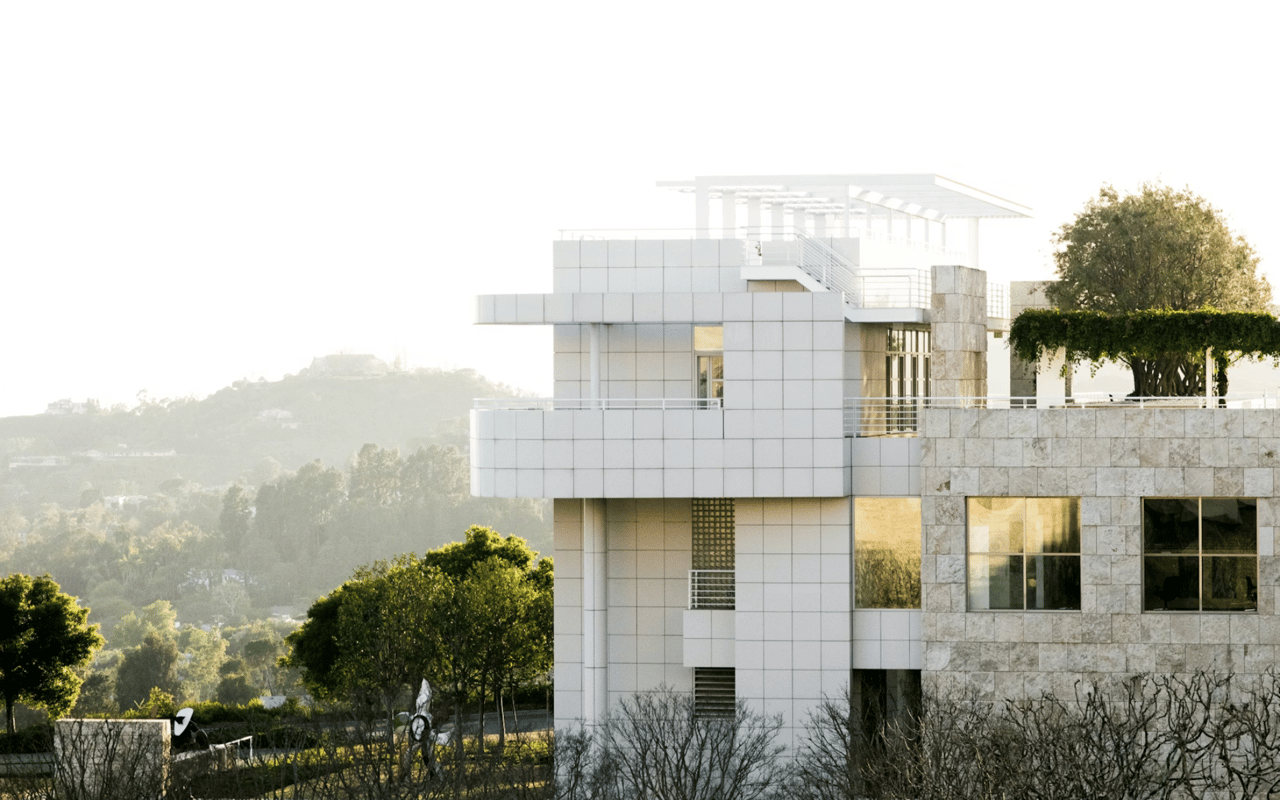
Early Beverly Hills prestige centered on stately architecture, formal rooms, and a sense of arrival, especially in the Flats near Roxbury Park and along broad, palm-lined streets.
What defined early Beverly Hills luxury
- Formal room sequences: Foyers, salons, libraries, and dining rooms planned for hosting
- Architectural permanence: Masonry, detailed millwork, and classic rooflines
- Generous lawns: Broad front setbacks and deep rear yards as status markers
These homes were designed to impress through symmetry, craftsmanship, and land-to-home proportion rather than extreme interior programming.
Mid-Century Beverly Hills: Indoor-Outdoor Living Becomes the Status Signal
As modernism took hold, Beverly Hills luxury began to emphasize openness, glass, and the relationship between living rooms and outdoor entertaining areas.
The mid-century features that changed expectations
- Glass-forward design: Walls of glazing that prioritized light and views
- Single-level elegance: Long, low profiles with clean circulation and strong flow
- Terrace living: Pools, patios, and outdoor dining positioned as primary amenities
The shift was especially visible in Trousdale Estates, where view orientation and sleek geometry changed what “best” looked like.
The Rise of the Compound: Privacy and Security Become Core Luxury
As Beverly Hills became more global, privacy stopped being a preference and became a requirement, especially for top-tier homes in the Flats and hillside corridors above Sunset.
How privacy-driven design reshaped estates
- Gated arrivals: Long driveways, motor courts, and layered entry points
- Landscape as perimeter: Tall hedging, mature trees, and privacy berms
- Setback strategy: Homes positioned to reduce sightlines from neighbors
Buyers began valuing buffer zones, controlled access, and landscaping that functioned like architecture.
The Mega-Estate Era: Amenities Become a Full Program
Modern Beverly Hills mega-estates aim to deliver a complete resort experience without leaving the property, often on the largest remaining parcels or through assemblage strategies.
The amenities that separate mega-estates from mansions
- Wellness suites: Gyms, saunas, steam rooms, and spa-grade bath experiences
- Entertainment infrastructure: Cinemas, bars, lounges, and game spaces with acoustic planning
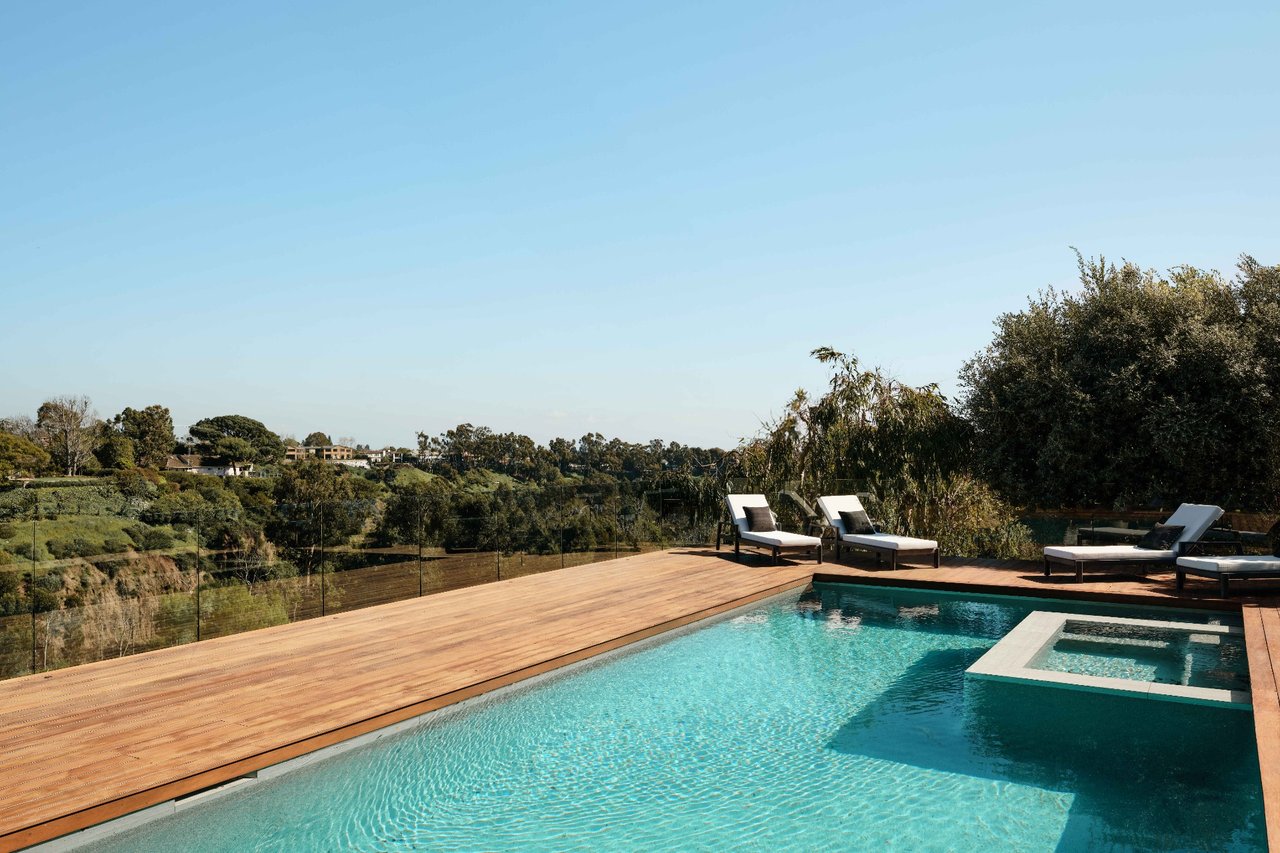
- Outdoor programming: Multiple outdoor rooms, kitchens, and pool environments
Homes in this tier treat amenities as a coordinated program, with dedicated zones for wellness, entertainment, and hosting.
Materials, Systems, and Documentation: Luxury Becomes Verifiable
In today’s Beverly Hills ultra-luxury, craftsmanship is expected, and the proof matters as much as the finish itself.
The performance standards that define current top-tier builds
- High-performance envelopes: Glazing, insulation, and shading designed for comfort and quiet
- System redundancy: Zoned HVAC, robust electrical capacity, and generator readiness
- Waterproofing and drainage: Terraces, planters, and hardscape engineered for longevity
Buyers and their advisors look closely at glazing packages, HVAC zoning, waterproofing details, and a clean documentation file that supports every claim.
Architecture Today: Warm Modernism and Sculpted Simplicity
Recent Beverly Hills builds often favor warm modern interiors, calmer palettes, and sculptural forms that photograph cleanly and feel refined in person.
Design cues that signal the current Beverly Hills look
- Textured finishes: Plaster walls, honed stone, and layered wood tones
- Sculpted openings: Larger sliders, pocket doors, and curved transitions
- Lighting discipline: Integrated architectural lighting with intentional fixture moments
This trend shows up across both hillside and Flats properties, where buyers want modernity with depth rather than stark minimalism.
FAQs
What is the difference between a Beverly Hills mansion and a mega-estate?
A mansion is typically defined by size and finish, while a mega-estate is defined by land, privacy infrastructure, and a full amenity program. Mega-estates function like private resorts with multiple zones and independent living components.
Why did privacy become such a major driver in Beverly Hills luxury?
As Beverly Hills became more global, the buyer profile shifted toward high-visibility owners with strong privacy requirements. Gated arrivals, landscaping buffers, and controlled access became structural value factors rather than optional features.
What do today’s top buyers evaluate beyond design?
They evaluate performance, documentation, and long-term durability, including systems zoning, waterproofing details, and permit legitimacy. A complete documentation package often supports smoother underwriting and stronger pricing confidence.
Contact Aaron Kirman Today
Beverly Hills ultra-luxury has evolved into a market where land scarcity, privacy infrastructure, and resort-level programming define the top tier, whether the property sits in the Flats, Trousdale Estates, or the hillside corridors above Sunset.
Reach out to me, Aaron Kirman, and I will help you evaluate where your property fits in the evolution of luxury real estate, including which improvements strengthen its position as a true mansion or a modern mega-estate.